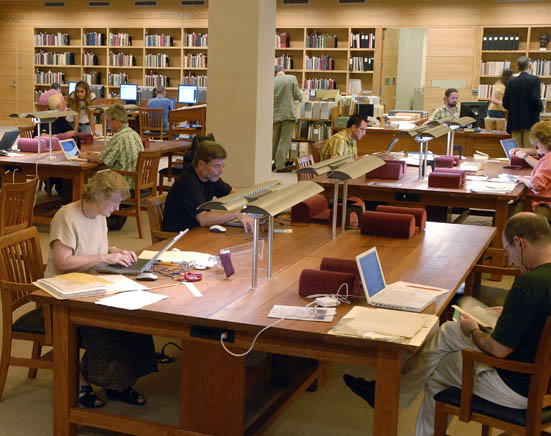
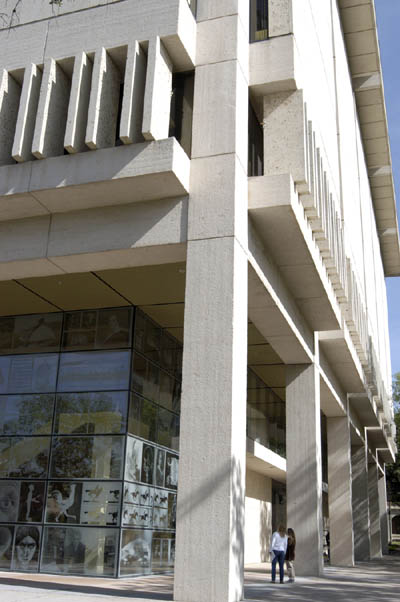
Thomas Staley is a dapper and dynamic 74 year-old who has run the Harry Ransom Center for the Humanities at the University of Texas in Austin for the past twenty years. He’s a world authority on James Joyce; he’s a fund-raiser of genius; and he’s one of the most controversial figures in British literary life. He’s loved, hated, and feared. Why ? Because he has devoted much of his time in Austin to buying up the papers of Britain’s leading contemporary writers. If you want to do some critical or biographical work on, say, Tom Stoppard or Julian Barnes, or Penelope Lively, or Malcolm Bradbury, or David Hare … you have to go to Texas.
At the heart of the programme is a long interview with Staley, about his life in literature and his controversial methods – how he targets writers that interest him, ‘spies’ on them to know when they might need some Texan money, courts and flatters them. “It’s chess, not chequers”, he says of his strategy. There is also a long interview with the English novelist Jim Crace, whose papers have recently been bought by Staley for a six-figure sum. Crace reflects honestly on the difficulty of the choice he made, and the complex issues that are involved in making a private past public property.
Why this programme now ? Because there is a belated effort in Britain to try and keep ‘our’ literary archives on this side of the Atlantic. A Literary Heritage Working Group has been formed, with Poet Laureate Andrew Motion as its most prominent spokesman. He believes there’s a ‘primitive’ connection between a literary work and the place in which it was made, and that British culture is diminished when an important archive goes to Texas. He and the Group are trying to persuade government to alter tax regimes to make it more attractive for British writers to sell their archives to domestic institutions. There’s also a hint of cultural warfare developing between Texas and the British Library.
This is a programme that addresses a big cultural question by focusing on a unique and fascinating individual.